



On Blaming the Victim
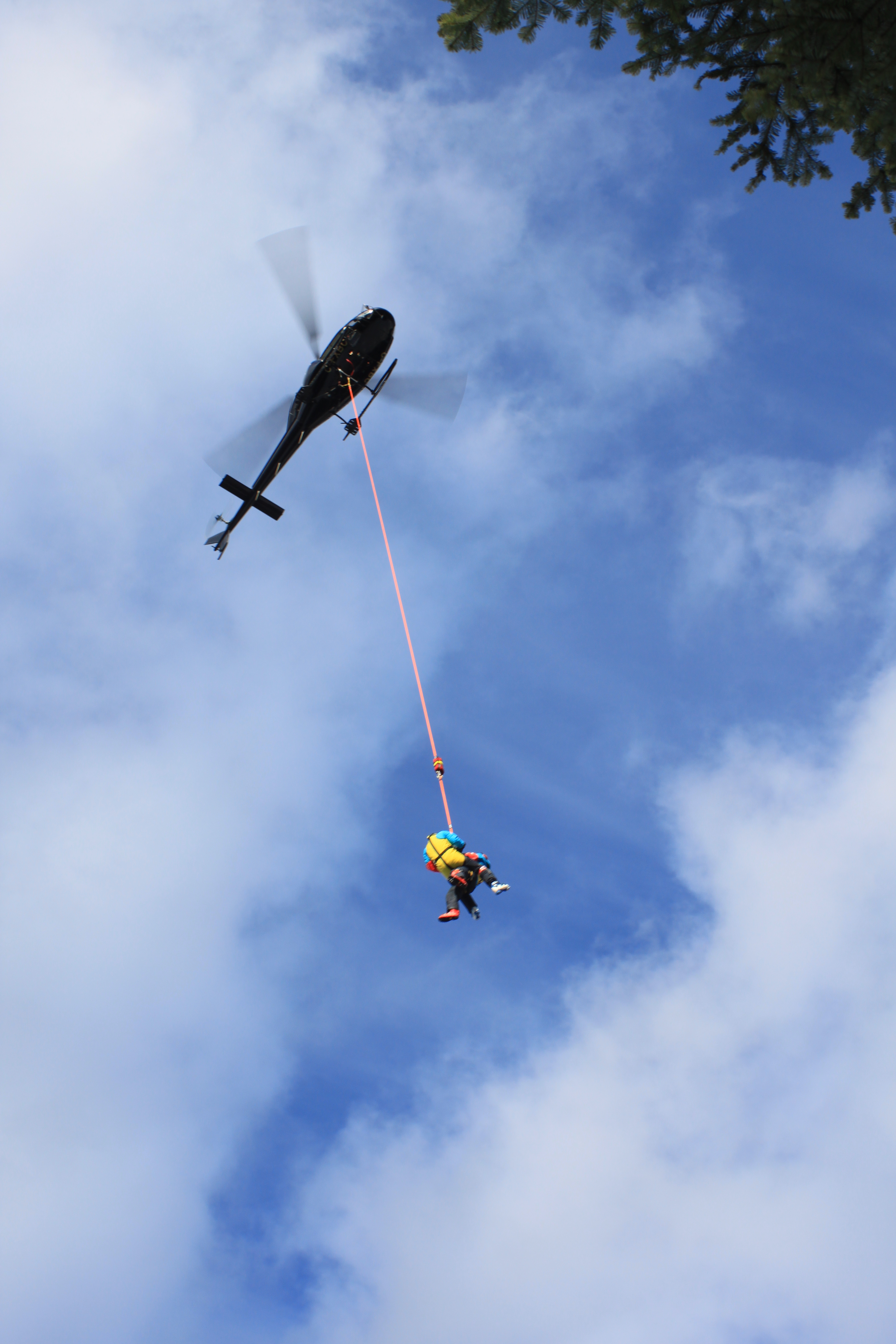
I know I shouldn’t do this, but I read the comments in a lot of news articles. I know they are full of spiteful, ignorant and uninformed opinions, but I read them anyway. The only useful thing about them is that it can give me some insight into how ignorant, uninformed spiteful people see the world.
I keep track of news about rescues in BC, and elsewhere in Canada, and I’ve noticed a bit of a pattern in the comments about any news about an rescue, injury or death in the backcountry.
A lot of people tend to blame the victim.
There’s other types of responses of course. Some offer condolences, some attempt to lionize the victim, others try to inject some modicum of reason into the discourse. But for backcountry accidents, even on bulletin boards devoted to backcountry enthusiasts, many people make comments to the effect that the subject was obviously stupid, and should have stayed home.
Now, I’m not advocating against a careful and detailed analysis of what caused an accident, and how it could have been avoided. If you think that then you obviously don’t read my blog very much. The approach of analyzing the causes of an accident has a long history, from the reports of the coroner’s system to the publication of Accidents in North American Mountaineering. This is one of the most useful things to do in the face of an accident.
However, an ignorant comment about how the subject should have just stayed home is clear abuse, and does nothing to discover or prevent future accidents.
It may be that the shoddy, inaccurate, and mostly uninformative reporting of modern media outlets doesn’t provide the right forum for the discovery of the real causes of an accident. I think this is the cause of most of the discussion on backcountry enthusiast boards; for instance when I wrote about the PLB task this summer I read quite a bit of discussion. Some users would write how such a thing could never have happened to them. Others write about the deplorable state of the youth today that they should rely on such a crutch as a PLB to get them out of trouble. Many speculate about the conditions of the hike, the state of the trail, or the experience of the individuals involved.
And then of course there are those who gripe about the cost.
Certainly I’ve rescued my fair share of people who should have known better, and who had entirely preventable incidents. The thing is, although hindsight is 20/20 and you can often pick out exactly what the people did wrong at the time, and most backcountry accidents are preventable, people are fallible and mistakes happen.
Whether a person is in trouble due to their own negligence or not, they deserve rescue just like any other person in need. When a person dies due to a preventable accident, we should feel sorrow for the victim and their family, while still attempting to uncover the cause of the accident so others don’t make the same mistake.
Falling into the trap that you or people like you have some sort of magical ability to stay out of trouble, and to avoid hazard or injury just leads to complacency. There’s the assumption that since you’ve done risky things and managed to come through, you must be better than other people at whatever risky activity you did.
First: realize that despite our wishes, the media rarely report enough detail for you to make any judgement whatsoever on what happened. The news narrative is designed to be a form of evening entertainment more than anything else, and only the most pertinent details are probably true.
Second, realize that that blaming the victim is just a way to feel superior to them. You’re only three events away from needing rescue yourself.
I think most people do not realize that most accidents. (back-country or front-country) are the result of multiple small mistakes. It’s not typically one big error that results in a search or a rescue. ‘They’ might say, “i could never get caught out in the dark on a hike.” But, in reality, it goes something like this.
mistake 1 – You misread the guidebook when it says it is a 4 hour hike. It actually takes you 5.
Mistake 2) – Just after you leave, you realize you forgot your rain jacket, since you like to be prepared you go back and get it. now you are 30 min behind schedule
mistake 3) stop for a snack at the view point. Now you are and hour behind
mistake 4) That extra hour hiking time catches up to you and now it is dark. You estimate it is and hour and a half back to the car. good thing you have a flashlight.
mistake 5) hiking by flashlight is tough. you make a wrong turn and are now lost.
mistake 6) your flashlight batteries go dead. it is now dark and cold, good thing you have that jacket.
mistake 7) you forgot to tell someone where you went……
No big mistake. No individual mistake that you couldn’t recover from, but a series of small errors that add up to serious consequences. The same kind of sequence happens in snowmobile related avalanches, drownings, and falls off ladders.
Exactly, except I would say that there are even less mistakes needed. Broadly categorized, the first mistake is the classic not telling someone where you went. Most people make this one and never notice. The second is “exceeding abilities” — in that you’re not fast enough. The third mistake is usually not having a flashlight, but missing a turn counts.
We’ve also noticed that cold people don’t like staying in one place because they get colder, but they also are panicky and make very bad decisions.
Excellent observations. We live in a world of armchair experts and Monday morning quarterbacks. The outdoor community seems to be especially prone to this type of mockery/preening.
I remember reading of hikers getting lost, injured or some other situation on trails that I have travelled myself many times. My first thought is usually, “I don’t understand how that could happen, it’s such an easy trail.” It probably should be easy, and it should be taken as a reminder of how easily a simple hike can turn into a disaster for anybody.
A trail that’s easy in the day time can be pitch black at night. I recall rescuing some people who told us that they had deliberately left the trail. When we asked them why they said it was too dark to walk on the trail so they went to where some light was coming through the trees. Of course this made them more lost. I’ve been in a similar situation (without a flashlight) and I understand why they did this — the temptation is there to go where you can see.